

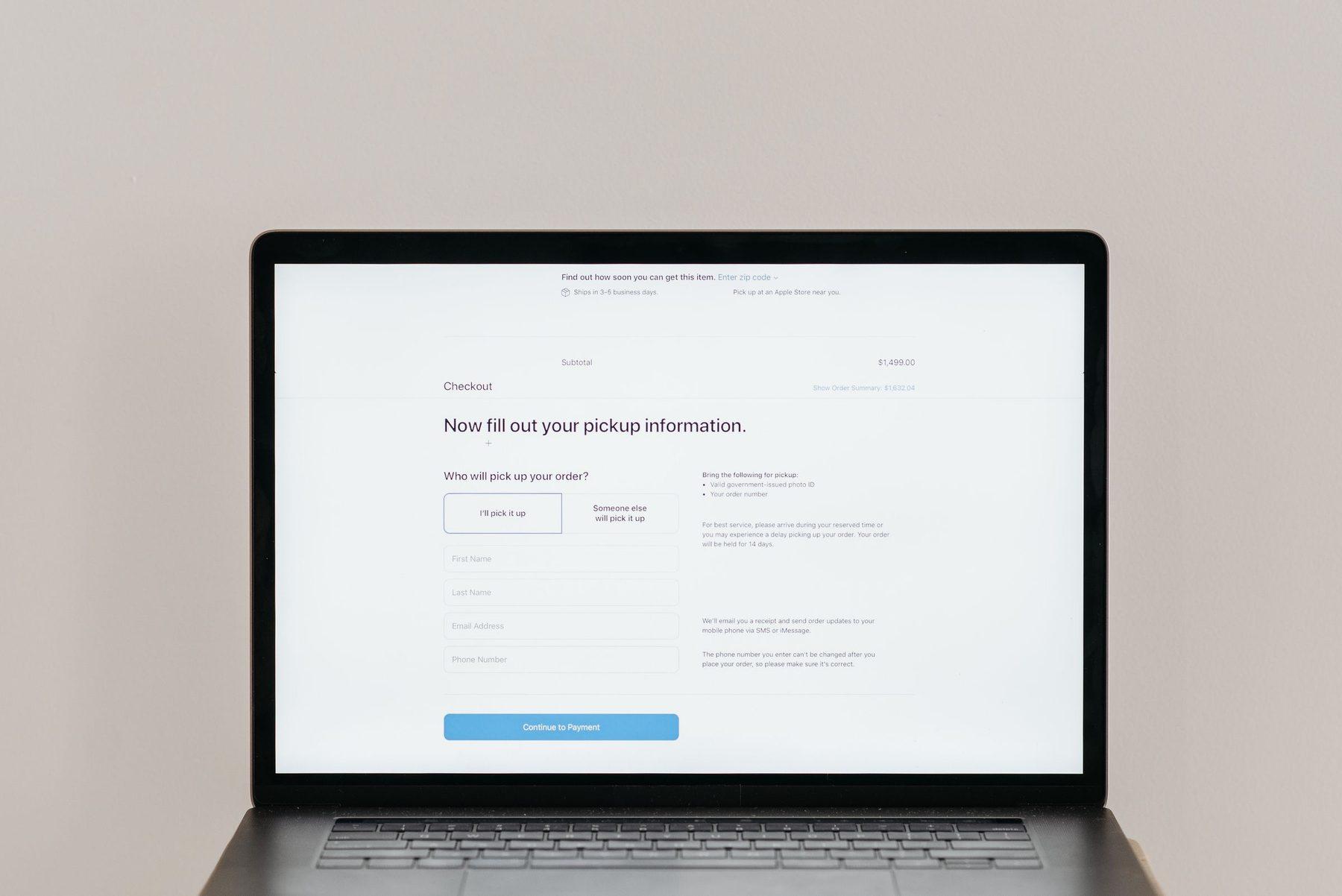
Online stores that sell
Online store development: more revenue with less manual work.
For many online stores, the main issue is not visitor numbers. Customers drop out between basket and payment, product data is scattered and post-order tasks are manual. When we build an online store in Hungary, we plan the buying experience and the work behind it together, because both affect your margin.
SYMPTOMS YOU MAY RECOGNISE
These are the signs that usually lead here.
01 Many shoppers add products to their basket, but few pay, and it is unclear where they leave the process.
02 Product details are kept in the store, invoicing system and spreadsheet, with different information in each.
03 Promotions increase revenue, but the month-end gross margin does not improve.
04 A large share of customer service time is spent answering: “where is my parcel?”
05 Customers rarely place a second order, and the proportion of returning customers has remained unchanged for years.
06 Adding a new product range takes days because every image and description must be uploaded manually.
THE SERVICE THROUGHLINE
From where the business stands today to the effect it can measure.
THE PROBLEM
Traffic arrives and baskets fill, but purchases stall; meanwhile stock records, invoices and the store each show different numbers.
WHAT WE BUILD
A store where checkout and delivery are quick, stock and invoices are linked so the figures match, and every step of the purchase is measured.
THE BUSINESS EFFECT
More baskets turning into orders, and less staff time on stock and invoices.
Free assessment
Does this sound familiar? Let us discuss the best place to begin.
Your assessment is carried out personally by one of our experts.
WHAT WE BUILD
What we design, build and manage in online store development.
Free assessment
Unsure where to begin? Our free assessment will help you decide.
Your assessment is carried out personally by one of our experts.
LIKELY EFFECT
Which measures tend to move.
- 01
A shorter checkout and more payment options can help more shoppers complete their purchase, especially on mobile.
- 02
Clear product data, relevant related products and a visible delivery threshold can increase average order value.
- 03
Fewer customers may leave during checkout, while every step from starting payment to completion can be measured.
- 04
Consistent communication after an order can encourage customers to return sooner and more often.
- 05
Admin time per order can decrease when stock, invoices and notifications move through connected systems.
WHERE TO GO NEXT
How this connects
An online store works best when customer demand and day-to-day operations support each other. Product-level data helps advertising spend focus on products that bring margin. Post-order tasks can be automated, while wholesale partners may be better served through a tailored portal using the same product data.
 Service
Online advertising campaigns
 Service
Websites
 Service
AI automation



COMMON QUESTIONS
What people ask about online store development.
What does an online store cost?
The final figure depends on catalogue size, delivery and payment methods, and links to stock or invoicing systems. The exact figure is set out in a written proposal with the scope, schedule and assumptions. Payment is 50% at the start and 50% on completion.
Should we use an established platform or build something custom?
The right choice depends on where your business creates its advantage. When this comes from products and service, a proven platform is usually quicker to launch and costs less to run. Where pricing, configuration or partner price lists are unusual, a standard system can become limiting. We base the decision on process fit and three-year total cost, rather than technology preference.
Which platforms do you build on?
Whichever suits the business. We build stores on Shopify, WooCommerce and BigCommerce, and connect the product catalogue to TikTok Shop and Instagram as well. On Instagram, shoppers find products tagged in posts, and the purchase is completed in your own store. We recommend the platform before the build starts, from the range, the order volume, the systems you already run and three-year total cost.
Can we bring data across from our current store?
Products, categories, customer accounts and order history can mostly be moved across. First, we identify incomplete or duplicate data, because moving poor product data does not improve it. Each plan includes a test import and verification before the live switch.
Can the store handle B2B as well as retail?
Yes, but it requires a different setup. Customer-specific price lists, quantity discounts, credit limits, quote requests in place of a basket and multiple users within one company all need custom handling. In many cases, a private partner portal using the same product data as the public shop works better.
Who runs the shop after launch?
You choose the arrangement that suits you. Your team usually handles daily trading, while we provide support or continue through an ongoing development and optimisation arrangement. Before launch, we give your team the knowledge needed for small updates.
Identify where your next digital investment can create the greatest measurable value.
Our free, no-commitment assessment gives you a clear starting point. An expert personally reviews your business, identifies the strongest opportunity and recommends the most effective next step.
Your assessment is carried out personally by one of our experts.