


Retail, e-commerce and clothing: Higher basket value. Fewer returns.
Retailers in Hungary face international marketplaces and rising advertising costs at the same time. More visitors alone rarely create growth. Higher basket values, fewer returns, accurate stock, repeat purchases and margin-focused measurement do.
THE SITUATION
Where the business is under pressure — and where the system falls short.
Retailers face pressure from both sides. International marketplaces shape expectations around price and delivery, while acquiring each new customer costs more. If revenue depends only on attracting new visitors, margin will eventually disappear.
More on the situation
For many online shops, the next improvement comes from within the business: better product data, fewer returns, higher basket values, faster customer service and more repeat purchases. These are also areas where domestic retailers can offer product expertise, personal contact and stronger service than a marketplace.
Sizing is especially important in clothing and fashion. Returns are part of the business model, yet their rate and cause can differ greatly between products. Until return reasons are recorded, a recurring cost continues to reduce margin.
WHERE THE OPPORTUNITY IS
Stock comes from separate sources
Selling an item that is unavailable creates three costs: a cancelled order, a poor review and customer-service time. If the shop and webshop track stock separately, this will eventually happen.
Product information is missing
Missing product details lead to customer-service questions or warehouse returns. Sizes, size charts, materials, weight, compatibility and real photographs help customers make a confident purchase.
Buyers leave at checkout
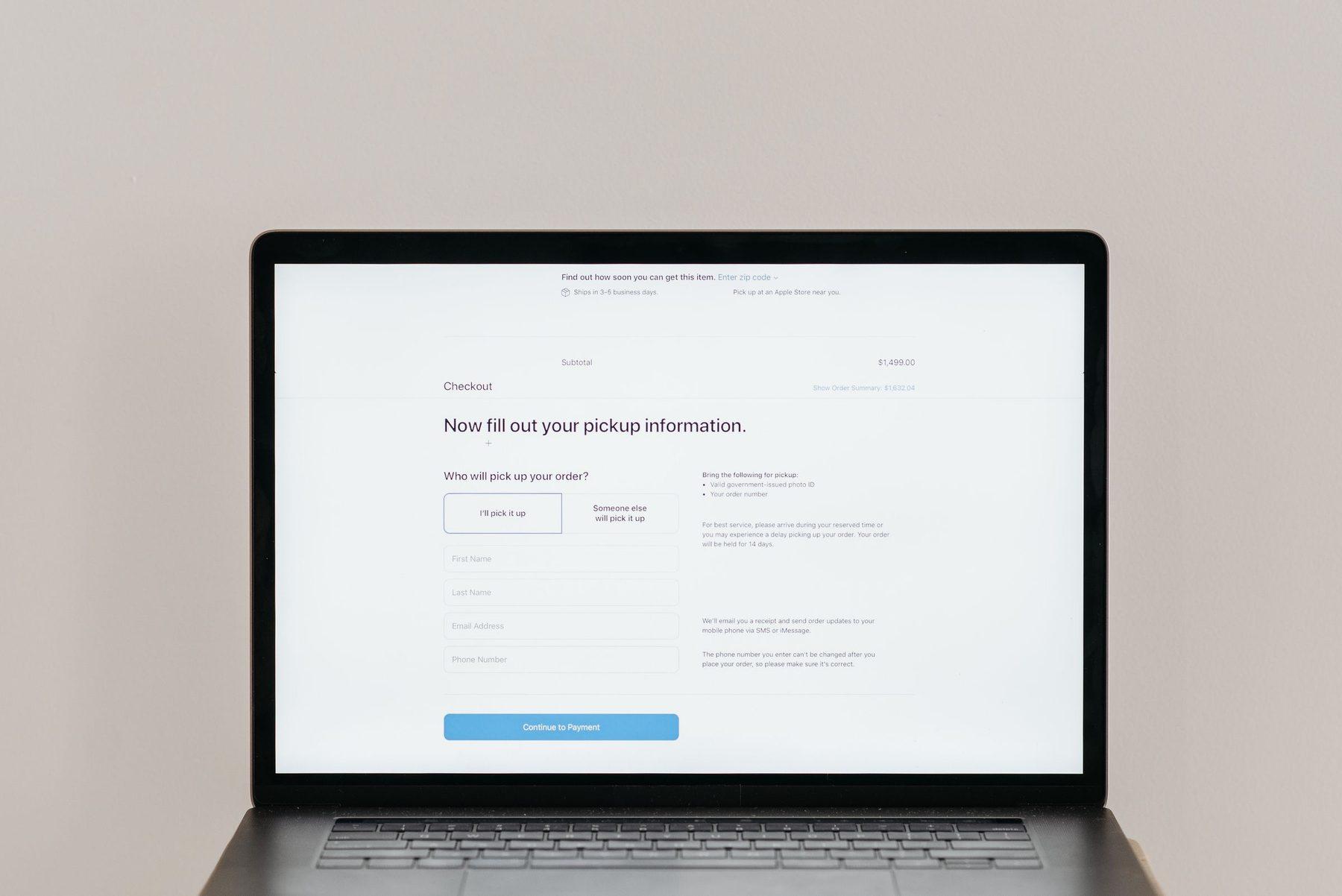
Buyers who reach checkout are ready to purchase. Mandatory registration, too few delivery or payment options, late shipping costs and difficult mobile forms can leave them with an abandoned basket. These are issues that can be improved.
Measurement misses margin
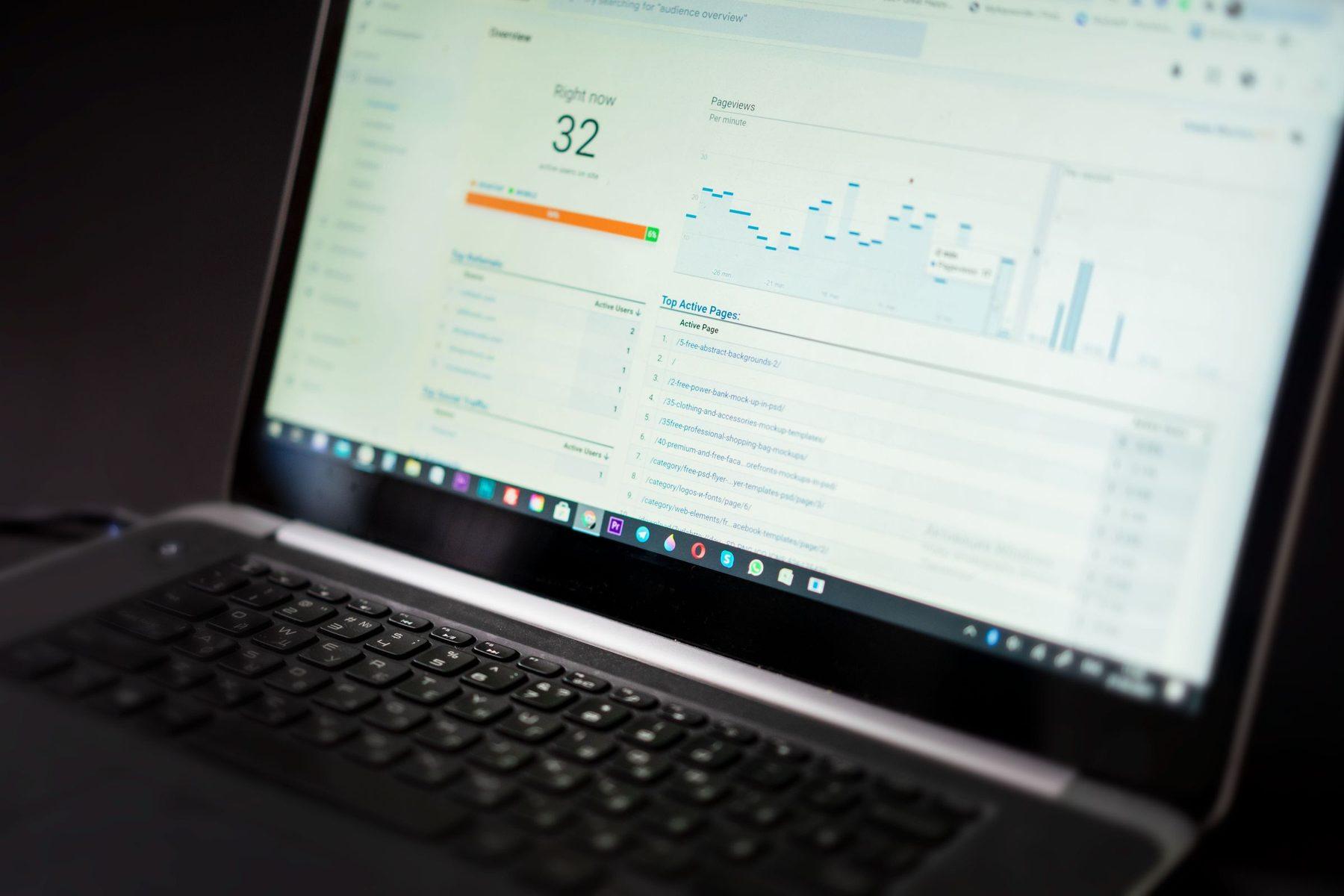
Campaigns optimised for order value can direct the largest spend towards the lowest-margin products. Good decisions require the advertising system to see contribution as well as the total order value.
Repeat purchase is ignored
The first purchase costs the most. Without segmented lists, replenishment reminders and timely follow-up, the business pays to acquire the same customer again each month.
Free assessment
Recognise these challenges? Let’s identify where to start.
One of our experts will personally assess your business and identify where we can create the greatest impact.
SOLUTION EXAMPLES
What a connected system would look like in retail and e-commerce.
These are solution examples rather than completed client projects. They describe how such a system would be built.
MEASUREMENT
What is worth measuring.
- Average basket value
- This is often one of the fastest ways to offset rising advertising costs. Review it by category, because the average can hide important differences.
- Conversion rate by device
- Mobile and desktop users leave at different stages. A large difference between their conversion rates usually points to an issue in checkout.
- Return rate and reasons
- A return without a recorded reason is simply a cost. Once the reason is known, it can guide a clear decision about the product, sizing or description.
- Contribution after advertising cost
- ROAS on its own can give the wrong picture. The key figure is the margin remaining after advertising costs have been paid.
- Repeat purchase within 90 days
- This shows whether the business is building its customer base or paying for the same traffic again every month.
Free assessment
Unsure where to begin? Our free assessment will help you decide.
Your assessment is carried out personally by one of our experts.
RELATED SERVICES
Related services


RELATED READING
COMMON QUESTIONS
What businesses in retail and e-commerce ask.
Should we replatform or improve what we have?
Changing platform is expensive and risky, so it should not be the first step. First identify where money is being lost: product data, checkout, stock, measurement or follow-up. A move makes sense when the current system genuinely blocks the solution, such as when it cannot connect to stock control, support the catalogue or allow checkout changes. We assess this using real figures during the free digital assessment.
How do we compete with international marketplaces?
A local retailer can compete through a focused, carefully selected range, expert descriptions and advice, reliable delivery and collection options, fast human support, simple warranty and returns handling, and its own customer list. Marketplaces cannot provide much of this because their strength is logistics rather than product expertise.
What reduces a high return rate?
Start by measuring returns by reason and product; without this, every change is guesswork. Different causes need different responses: sizing needs charts and a size guide; unmet expectations need real photos, video and accurate material descriptions; damage needs packaging; late delivery needs clear delivery communication. Clothing returns will not reach zero, but returns caused by poor data can be identified separately from those caused by a poor product.
Can we measure the real return on advertising?
Largely, yes, once order data is fed back into measurement. Conversion value should reflect contribution, measurement should be server-side and aligned with consent settings, and returns should be deducted afterwards. Attribution remains an estimate: exact assignment is not possible across multiple devices, longer decision periods and offline purchases, but decisions can be directed more effectively.
Do we need a mobile app alongside the webshop?
In most cases, an app is not the first step. It pays back when purchases genuinely repeat and there is a loyalty programme worth making available on a phone. If stock, product data and checkout still need attention, the same budget can deliver more in those areas.
Identify where your next digital investment can create the greatest measurable value.
Our free, no-commitment assessment gives you a clear starting point. An expert personally reviews your business, identifies the strongest opportunity and recommends the most effective next step.
Your assessment is carried out personally by one of our experts.